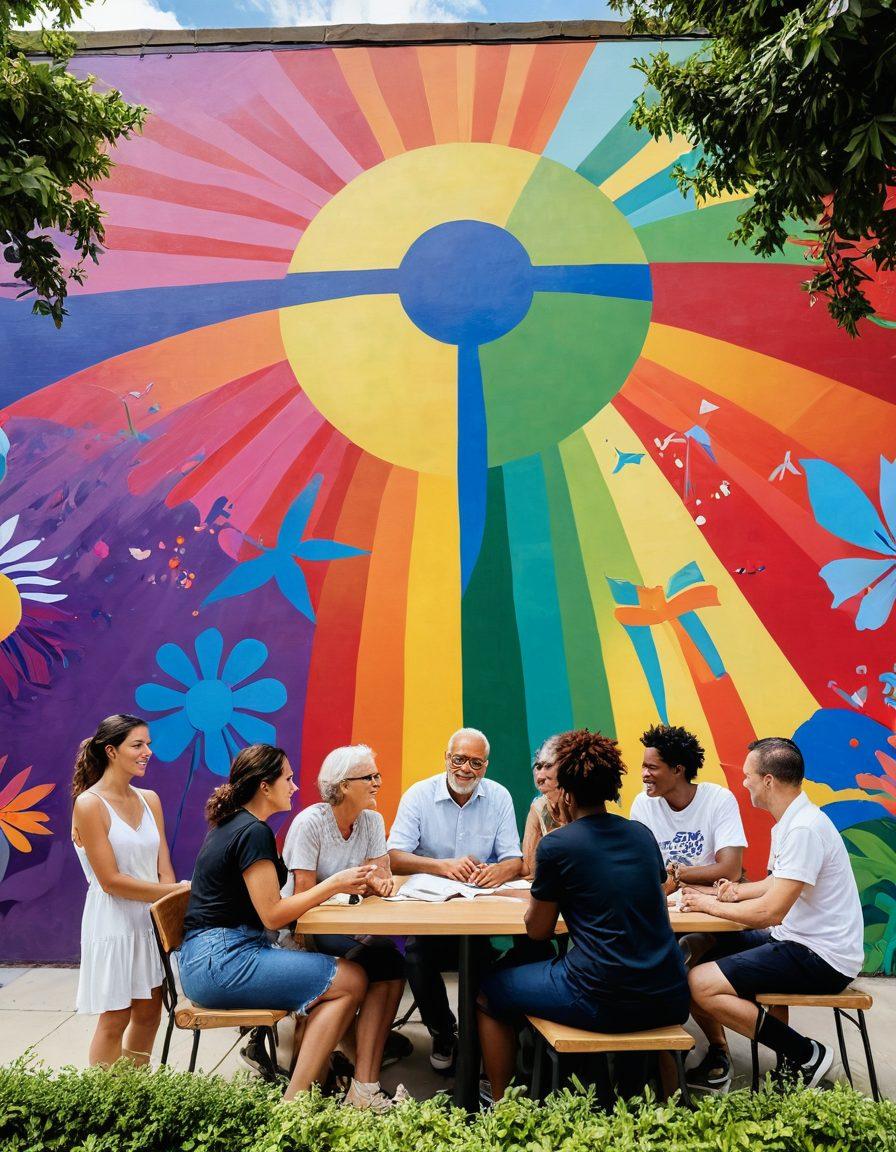
Empowering Voices: Cultivating Inclusion and Diversity in Our Communities
In a world that often feels divided, the concept of belonging emerges like a beacon of hope. Can you imagine a community where every individual, regardless of their background, feels valued and included? At its core, fostering belonging means creating spaces that celebrate diversity, accessibility, and acceptance. In this blog, we’ll explore some actionable steps your organization can take to cultivate inclusive communities, ensuring that voices of all walks of life are heard and respected. Perhaps it starts with you; how can you champion these changes in your own life?
To truly foster belonging, we must embrace the idea of representation. When individuals see themselves reflected in their community—whether through leadership, media, or civic engagement—it creates a sense of ownership and empowerment. This goes beyond mere participation; it is about ensuring equity in how voices are amplified. Are there leadership roles within your organization that lack diverse representation? Advocating for diverse representation is not merely a task but an essential ingredient in making everyone feel included and valued.
Education is another cornerstone of fostering belonging within our communities. Awareness of social issues and challenges faced by marginalized groups can drive change, but how many of us actively seek out this knowledge? Organizing workshops or community discussions can open avenues for learning and understanding cultural competence. Not only does this empower individuals with knowledge, but it also strengthens community ties and encourages collaboration. What educational resources does your organization have to promote social justice and inclusivity?
Engagement and participation are vital components in the creation of inclusive spaces. It’s essential to actively seek the input of diverse voices, creating platforms for dialogue that can spark positive changes. Your organization can host events or forums where members of the community can share their stories, express their concerns, and propose solutions. The beauty lies in collaboration; as Mahatma Gandhi once said, 'Be the change you wish to see in the world.' How can your community outreach efforts facilitate greater participation and collective impact?
Lastly, advocating for non-discrimination policies and fostering awareness around social responsibility is key to cultivating a truly inclusive society. By ensuring equitable access to resources and opportunities, we not only uphold the principles of justice but also promote a culture of belonging. Whether you’re part of an advocacy group or an individual looking to make a difference, your role in promoting these values can substantially change lives. Together, let’s harness the power of inclusion and empower all voices to resonate within our communities. What steps will you take today to contribute to this important cause?
Empowerment Through Diversity: The Role of Advocacy in Social Change
In today's rapidly evolving world, the quest for inclusion and diversity has taken center stage, igniting discussions around empowerment through advocacy. Imagine a community where every voice is heard, each story acknowledged, and all individuals feel they belong. This isn’t just a dream; it's a powerful reality we can build together through committed advocacy and the deliberate action of inclusion. As we explore the role of advocacy in promoting social change, let’s remember that each of us has the capacity to champion diversity and inclusivity in our organizations and communities.
At the heart of advocacy is the undeniable fact that power flourishes through representation. When diverse voices come together, like different colors in a beautiful painting, they contribute to a richer narrative. For instance, think about a community project designed to tackle social issues such as homelessness or education inequity. By involving various community members—particularly those from underrepresented groups—you ensure that all perspectives weigh in. This collaborative approach does not just foster acceptance but amplifies the impact of your advocacy efforts, opening doors to innovative solutions, and creating spaces of empowerment where everyone can share their stories without fear or judgment.
We often ask ourselves, 'How can we foster a culture of belonging and acceptance in our organizations?' The answer lies in our commitment to social responsibility and engagement. Start by building awareness and education around diversity and equity issues. Provide resources and training on cultural competence for staff, develop non-discrimination policies that truly reflect your values, and create opportunities for participation from all community members. This doesn’t just help in driving social justice forward; it encourages individuals to feel seen and valued, leading to lasting bonds that enrich the community fabric.
Moreover, advocacy goes beyond mere participation—it’s about leading with intention. Influential advocacy groups have demonstrated time and again that meaningful change comes from both local and global engagement. For individuals willing to roll up their sleeves, community outreach can galvanize support and mobilize resources for initiatives that uplift marginalized voices. By actively participating in campaigns or creating platforms for dialogue, you expand the reach of your advocacy and spark curiosity among others about the necessity of inclusion and accessibility in our society.
In this journey of fostering empowerment through diversity, it becomes essential to reflect on our roles as advocates. Are we simply spectators, or are we willing to take action and share our platforms? Remember, every small contribution counts. Whether it’s starting a blog that amplifies diverse perspectives, volunteering in community service, or joining local organizations dedicated to equity, we all have the power to participate in this movement. Advocating for inclusion isn't just about leading the charge; it’s about ensuring that we are nurturing a community where all voices are empowered to rise, creating a harmonious melody of cultures and experiences. After all, isn't that what community is all about?
Building Bridges: Engagement Strategies for Multicultural Participation
In today’s fast-paced world, the call for inclusion and diversity in our communities has never been more urgent. Have you ever stopped to wonder how many voices remain unheard in our quest for community growth? As we navigate the complexities of multiculturalism, it’s essential to understand that building bridges is not merely an act; it’s a lifelong commitment to equity and belonging. This blog will delve into effective engagement strategies that promote multicultural participation, empowering voices that echo diversity throughout our organizations and beyond.
To lay the foundation for impactful engagement, we must first recognize the variety of social issues that exist in our neighborhoods. Are we genuinely listening to the concerns of marginalized groups? When we strive for inclusion, we simultaneously open the door to awareness, education, and resources that can elevate these voices. It begins with understanding cultural competence—embracing differences while fostering harmony. By committing to non-discrimination and advocacy for equality, we can create spaces where every community member feels empowered to participate. Remember, as Margaret Mead once said, "Never doubt that a small group of thoughtful, committed citizens can change the world; indeed, it’s the only thing that ever has!"
Next comes the role of organizations in engaging diverse populations. Collaboration with advocacy groups and community outreach initiatives is vital for creating a culture of acceptance and social responsibility. Consider hosting events that celebrate the richness of our diversity—think multicultural fairs, educational workshops, and forums for open dialogue. These gatherings not only enhance representation but also serve as a platform for individuals to express their unique perspectives. Whether it’s through shared stories, art, or cuisine, every thread of our multicultural fabric weaves a powerful narrative of belonging that amplifies our community’s collective impact.
Empowerment is at the heart of these engagement strategies. Have you ever felt the thrill of a newly formed alliance—people from different backgrounds coming together for a common cause? That’s the magic of activism fueled by diversity! Provide mentorship and support for underrepresented groups; offer resources that promote their growth within the community. By doing so, we encourage participation while nurturing future leaders who are equipped to address social justice. The goal here is simple yet profound: to create a sense of belonging that transcends barriers and fosters a welcoming atmosphere for all.
Finally, let’s not underestimate the power of continued learning and adaptation. As communities evolve, so should our approaches to engagement. Consistent reflection on our practices can highlight areas for improvement and encourage feedback from the very individuals we aim to support. Take this opportunity to ask yourself: What strategies have worked in creating an inclusive environment, and where do we have room to grow? Empowering voices in our communities is a dynamic journey—let’s embrace it with an open heart and a mind ready for collaboration, ensuring every individual feels seen, heard, and valued.